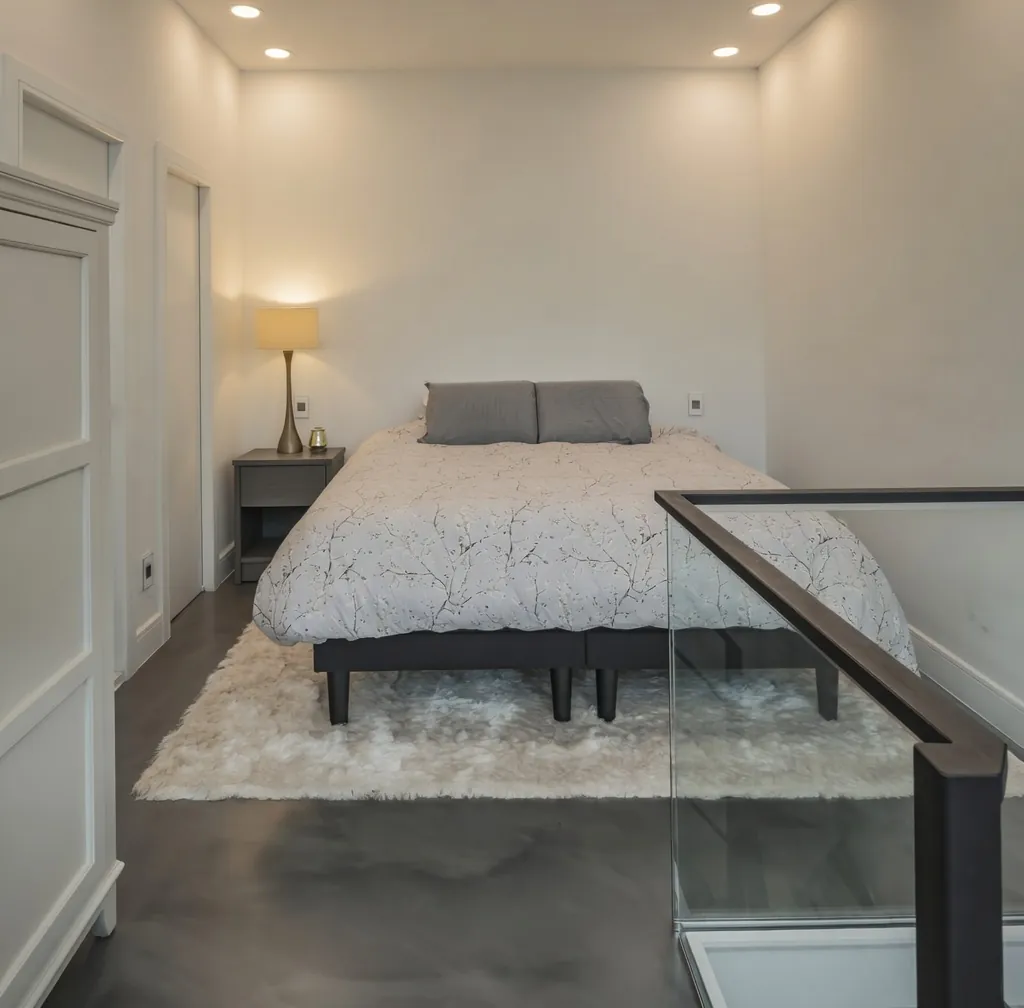
In New York City apartments, where square footage is the ultimate luxury, custom closets and dressing rooms are among the highest-impact investments a homeowner can make. A well-designed custom closet can roughly double the usable capacity of the same footprint compared with a standard reach-in carrying a single rod and a shelf — and a dedicated dressing room turns the daily routine of getting ready into something that feels like a boutique. A custom reach-in in NYC typically runs from about $3,000 to $10,000, a walk-in from roughly $10,000 to $35,000, and a full dressing room can exceed $50,000. Here is how that investment translates into space and craftsmanship.
Why Custom Storage Is a Luxury Priority in NYC
Almost every NYC apartment, prewar or new construction, is short on storage. Developer-grade closets waste space with a single rod and one shelf, leaving feet of unused height and awkward corners. Custom storage reclaims that volume — double-hung rods, drawers to the floor, shelving to the ceiling, and a place for everything from long coats to folded knits to shoes. The result is not just more capacity; it is calmer, more usable space, which in a compact apartment is its own form of luxury.
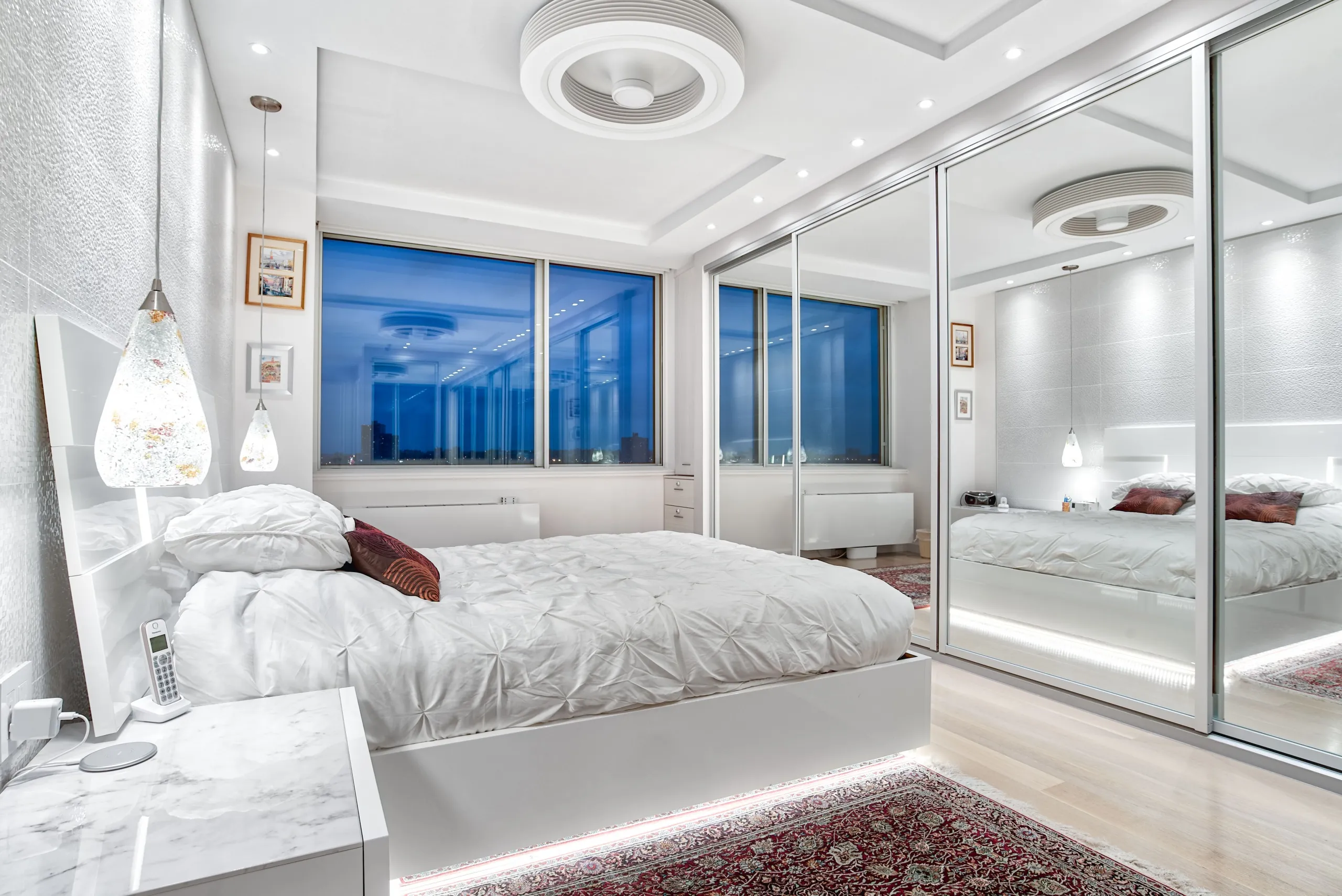
Reach-In, Walk-In, or Dressing Room
The right solution depends on your space and how you use it:
- Reach-in closets — the most common NYC closet. A custom fit-out with double-hung sections, drawers, and adjustable shelving can transform a shallow, single-rod closet into a remarkably efficient one.
- Walk-in closets — where the layout allows, a walk-in offers U-shaped or galley runs of hanging, drawers, and shelving, often with a bench or island. Even a modest walk-in, well planned, holds far more than its size suggests.
- Dressing rooms — the luxury tier: a dedicated room with floor-to-ceiling millwork, a center island with countertop and drawers, integrated lighting, a full-length mirror, and seating. In larger apartments, a secondary bedroom or a portion of the primary suite is often converted into one.
In a tight apartment, the smartest move is sometimes to borrow space — an underused alcove, a sliver of a bedroom, or a small adjacent room — and convert it into fitted storage. Reorganizing a layout like this pairs naturally with a primary-suite renovation; we explore bedroom layout strategy in our guide to master bedroom renovations in Manhattan.
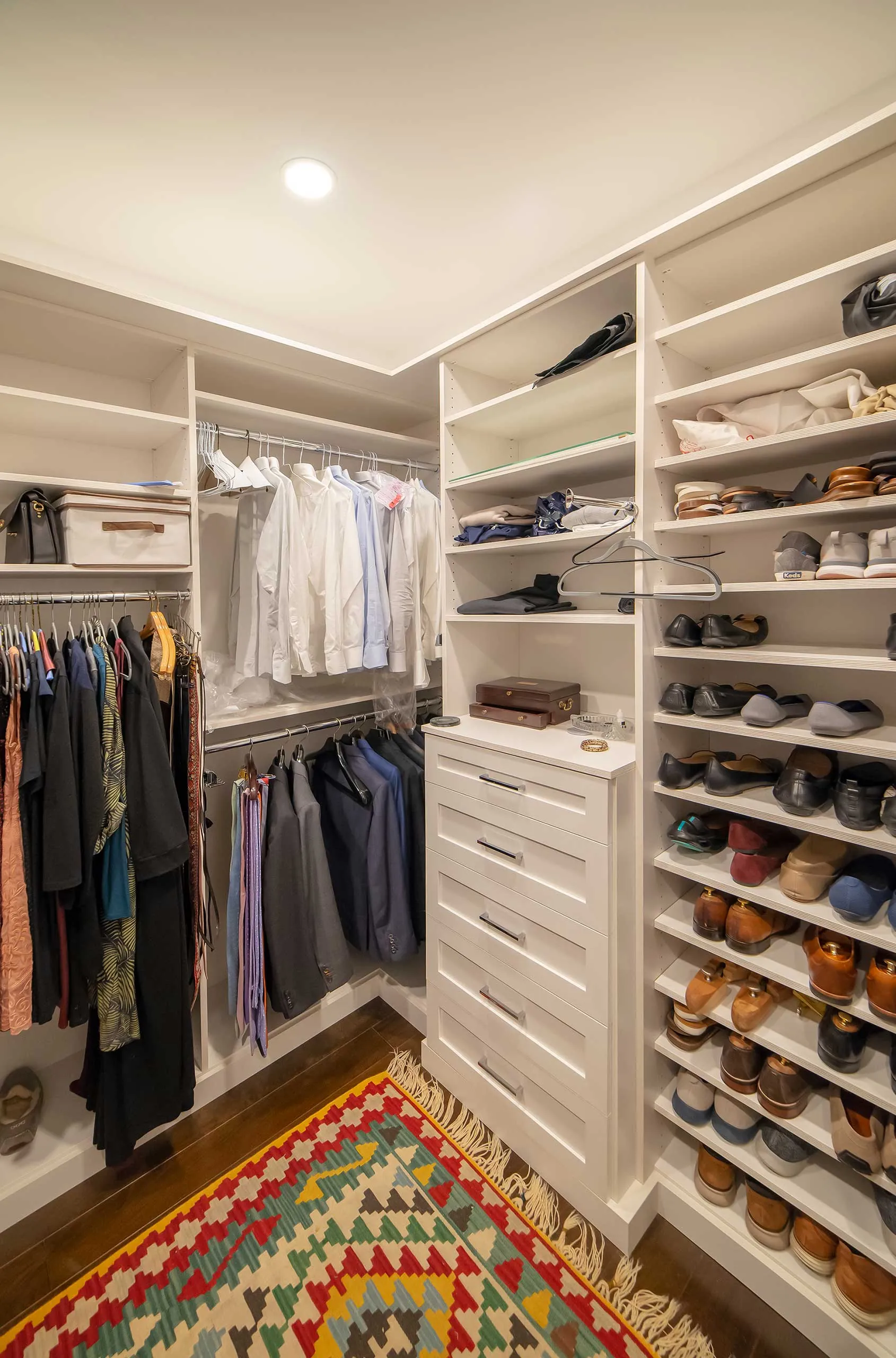
What Makes a Closet Truly Custom
The difference between a modular closet kit and a custom one is the difference between assembled and built. Custom millwork is scribed to the walls so there are no gaps, run to the ceiling so no height is wasted, and tailored to your actual wardrobe. In a prewar apartment with plaster walls that are rarely perfectly square, that scribing is what makes the installation look seamless rather than store-bought. The fittings are where it becomes a pleasure to use: soft-close drawers, pull-out valet rods, tilt-out hampers, ring and accessory trays, adjustable shoe shelving, and dedicated sections sized to what you own.
Materials and Finishes
Custom closets span a wide quality range, and material is the main driver:
- Furniture-grade melamine — durable, available in many colors and textures, and the workhorse of well-built custom closets.
- Wood veneer — real wood grain on a stable substrate, for a warmer, higher-end look that can be matched to the room's other millwork.
- Solid hardwood and painted millwork — the luxury tier, with the depth and detail of fine furniture, often paired with glass-front drawers, leather or suede drawer liners, and antique-brass or polished-nickel hardware.
Integrated LED lighting is what elevates a high-end closet: lit hanging sections, motion-activated strips, and illuminated glass-front drawers make a dressing space feel like a luxury retail interior — and make it genuinely easier to use.
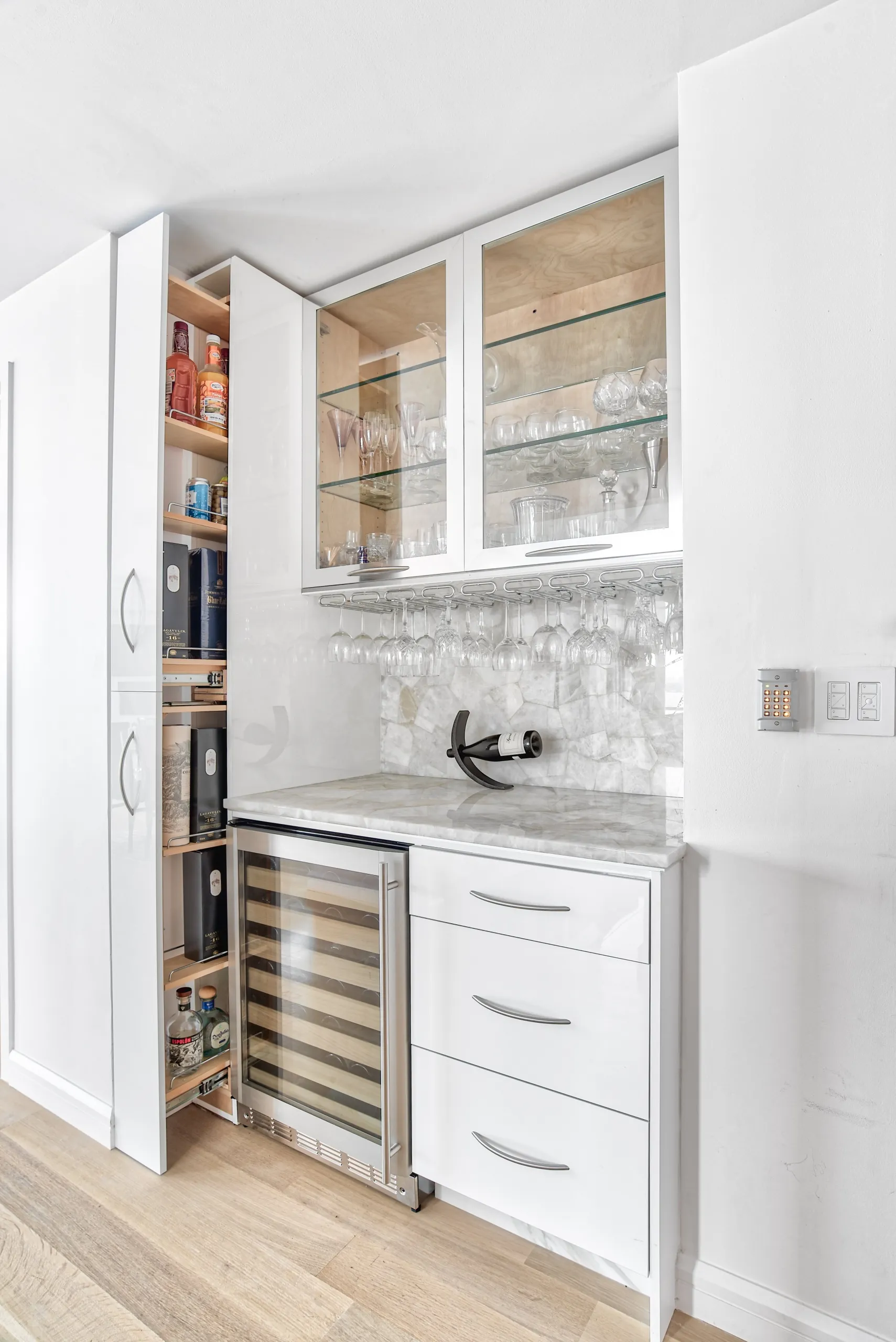
Built-Ins Beyond the Closet
Custom storage does not stop at the closet door. The same craftsmanship that builds a dressing room produces built-in wardrobes, window-seat storage, banks of cabinetry in a hallway, and floor-to-ceiling shelving in a living room. In apartments created by combining two units, custom built-ins are often what make the new, larger layout feel intentional and finished rather than simply bigger.
Planning Your Project
A custom closet typically takes four to ten weeks from design to installation, with millwork fabrication the longest stage — so, as with cabinetry, ordering early keeps it from becoming a bottleneck on the broader renovation timeline. If the project involves moving walls or altering layout, it may require board approval through an alteration agreement.
At Knockout Renovation, we have designed and built custom closets, dressing rooms, and built-in storage throughout Manhattan and Brooklyn for more than 30 years — scribed to prewar walls, run to the ceiling, and fitted to how our clients actually live. If you are looking to turn scarce square footage into beautiful, hardworking storage, we would love to help you plan it.
Frequently Asked Questions
How much does a custom closet cost in NYC?
A custom reach-in closet in NYC typically runs from about $3,000 to $10,000, a custom walk-in from roughly $10,000 to $35,000, and a full dressing room with premium millwork, lighting, and island can exceed $50,000. Cost is driven by size, material (melamine vs. wood veneer vs. solid hardwood), and fittings like integrated lighting, glass-front drawers, and pull-out accessories.
Is a walk-in closet worth it in a small NYC apartment?
Often, yes — when the layout allows. A thoughtfully designed walk-in or even a well-built reach-in with floor-to-ceiling custom fittings can roughly double usable capacity over a standard single-rod closet. In tight apartments, converting an underused alcove, a portion of a bedroom, or a small adjacent room into a fitted closet is one of the highest-impact uses of square footage.
What is the difference between custom and modular closet systems?
Modular systems are assembled from standard prefabricated components and are quicker and cheaper, but they leave gaps and dead space. True custom closets are built to the exact dimensions of your space — scribed to walls, run to the ceiling, and tailored to your wardrobe — which recovers storage and delivers the seamless, furniture-grade look that defines luxury storage.
Can you add a closet or dressing room in a prewar apartment?
Yes. Prewar apartments often have generous ceiling heights and underused alcoves or oddly shaped rooms that lend themselves to a built-in dressing room or fitted closet. Because walls may be plaster and not perfectly square, custom millwork that is scribed to fit is essential. Structural or layout changes may require board approval through an alteration agreement.
How long does a custom closet or dressing room take to build?
A custom closet generally takes 4 to 10 weeks from design to installation, with fabrication of the millwork the longest stage. A full dressing room built as part of a larger renovation follows the overall project schedule. Ordering custom millwork early in the design phase keeps installation from becoming a bottleneck.