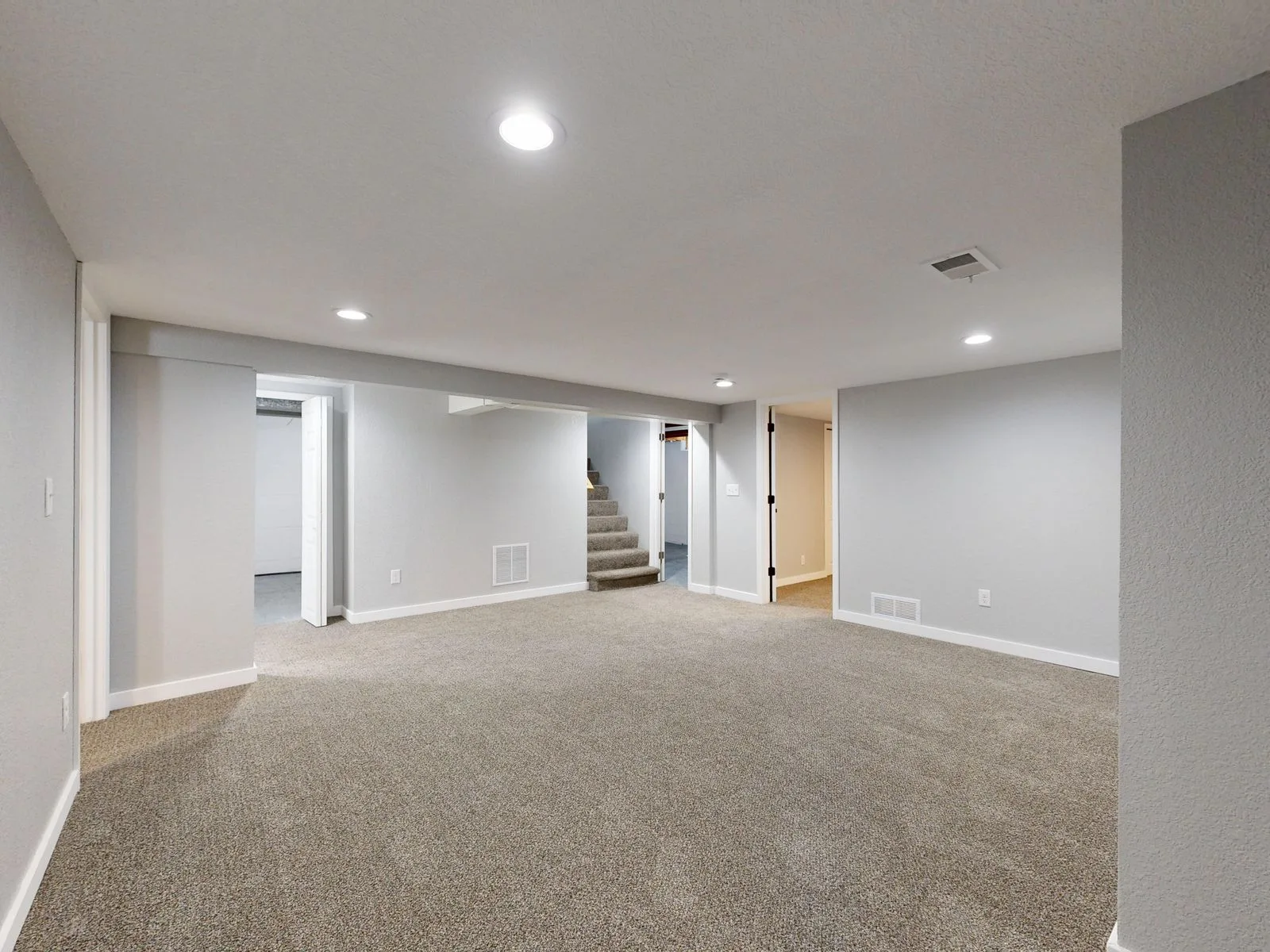
A basement that's kept its walls dry for decades can still turn a box of photo albums into a moldy mess within one wet season. Waterproofing an old basement matters more than most homeowners realize, especially in older New York buildings where moving boxes often end up stacked against walls never built to today's standards. Brownstone cellars are a classic case: below-grade space in a century-old building is prone to moisture in a way newer construction isn't. Getting ahead of it before belongings go in saves both money and irreplaceable items.
Why Do Older Basements Leak in the First Place?
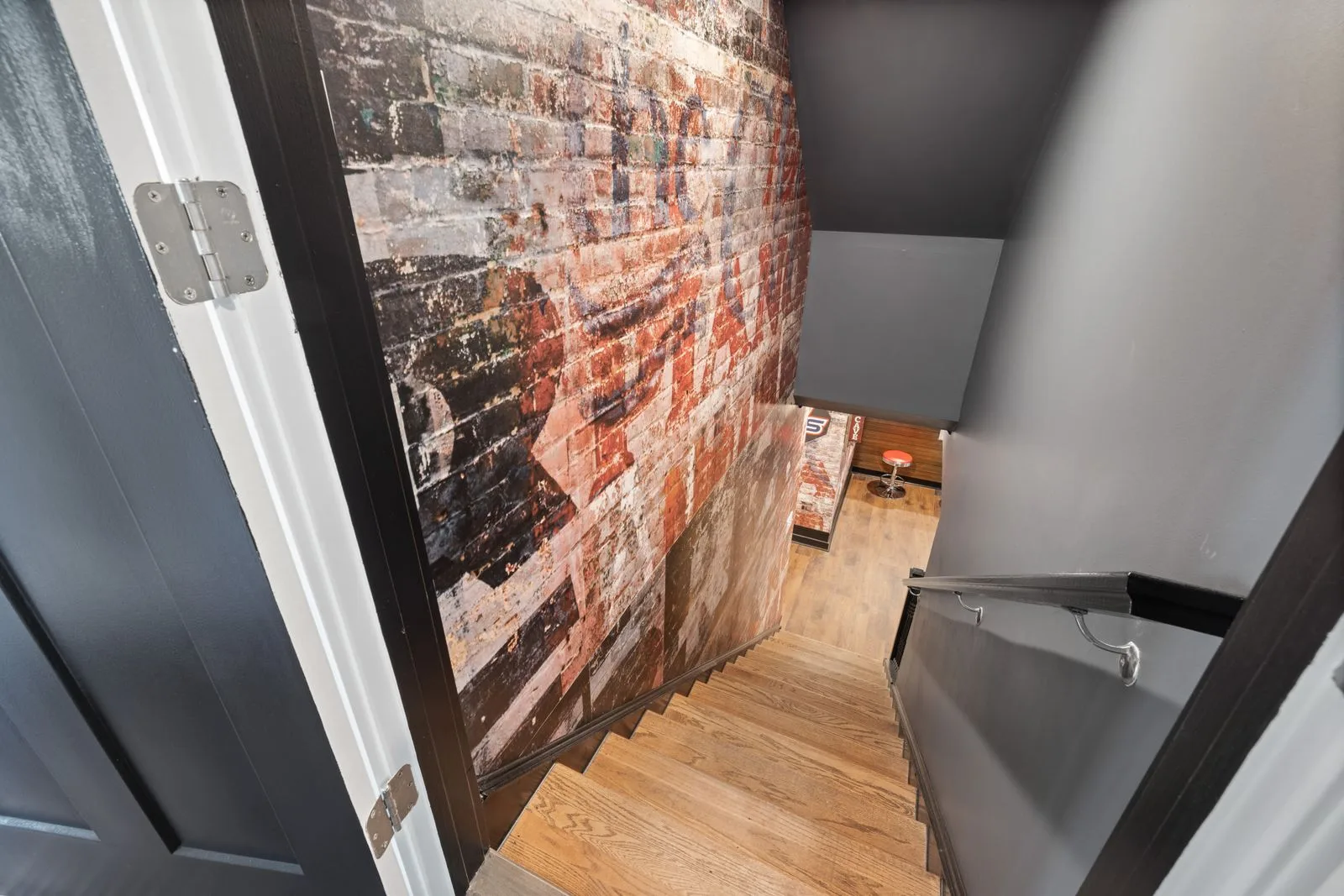
Older basements leak because they predate modern codes requiring exterior waterproofing membranes or interior drainage systems. Many pre-1980s foundations relied on parged concrete or a thin layer of tar as their only water barrier, which breaks down over decades. This is especially true in a brownstone renovation, where a cellar built more than a century ago was never designed with today's drainage standards in mind. Add in settled soil and gutters that no longer clear water the way they once did, and the foundation ends up with new paths for water.
How Can You Tell If Your Basement Still Has a Moisture Problem?
Look for chalky white mineral deposits on the walls, called efflorescence, along with a musty smell or peeling paint near the floor line. These signs point to water moving through the foundation, even without standing water. A simple test: tape plastic sheeting to the wall and check it after 24 hours. Moisture underneath means water is coming through the concrete, while moisture on top usually means high humidity in the air.
When Should You Schedule the Move Around the Waterproofing Work?
Waterproofing work should cure for a few days before boxes arrive, since sealants need time to set. Coordinating that with your moving date takes some back-and-forth. Working with Princeton Moving to schedule the truck a few days after the waterproofing crew finishes gives the basement time to fully dry out. Rushing this step is one of the most common mistakes homeowners make, since boxes placed against a still-curing sealant can trap moisture behind them instead of keeping it out.
What Does Waterproofing an Old Basement Actually Involve?
Waterproofing an old basement usually combines exterior drainage fixes with interior sealing, since water problems rarely have just one cause. A contractor typically starts outside, since most leaks originate from water pooling against the foundation rather than from cracks in the concrete itself.
Exterior Fixes: Grading, Gutters, and Drainage
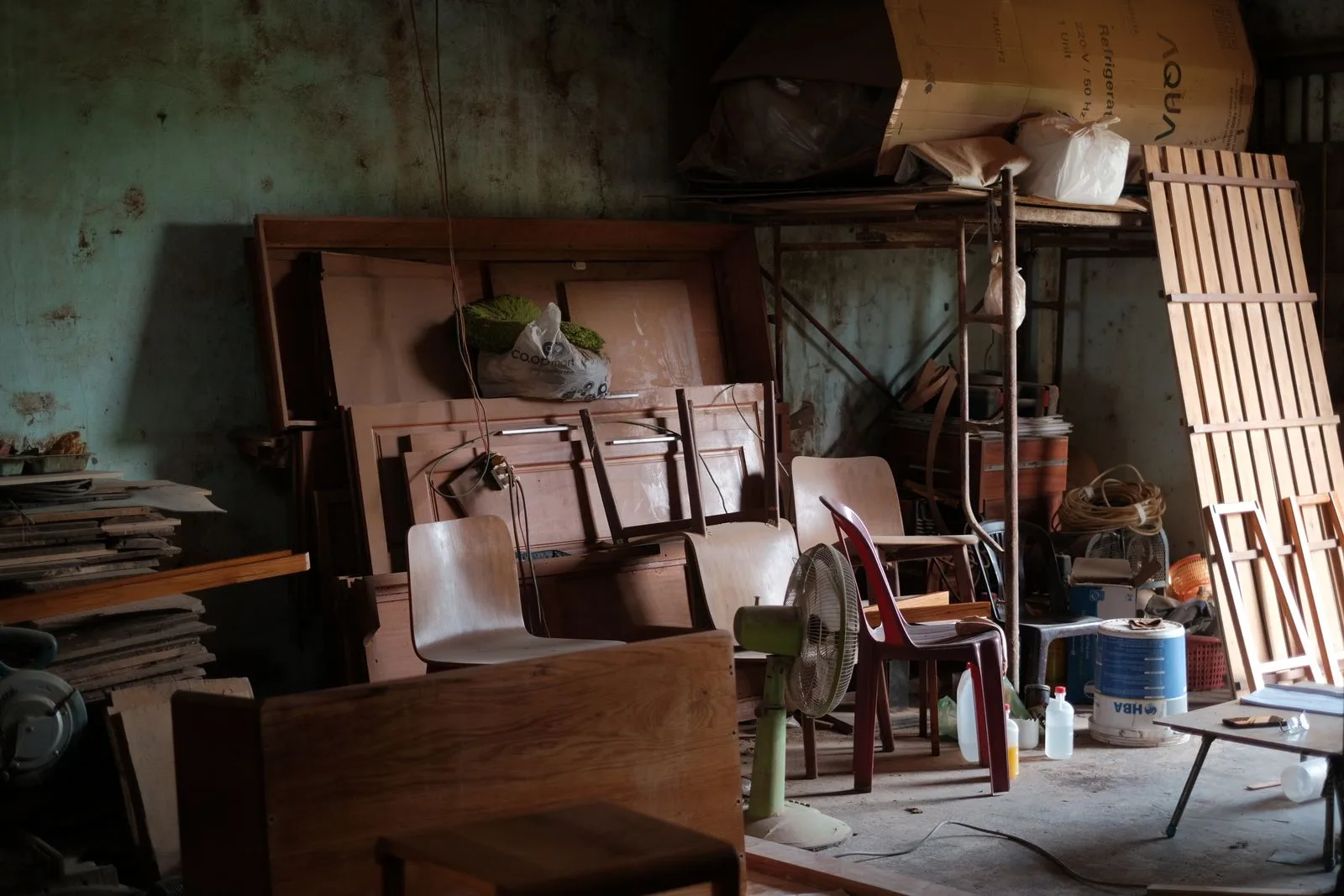
The first and cheapest fix is making sure soil around the foundation slopes away from the building rather than toward it. Clogged or short gutters are a frequent culprit too, since water dumped right next to the foundation has nowhere to go but down. For properties with a persistent water table issue, a French drain or exterior footing drain redirects groundwater before it ever reaches the wall. FEMA's guidance on basement flood mitigation covers how gutters, grading, and drainage layers work together to keep water away from a foundation in the first place, before it ever becomes an interior problem.
Interior Fixes: Sealants, Sump Pumps, and Vapor Barriers
Once exterior water sources are under control, interior work seals what's left. Hydraulic cement fills active cracks, masonry sealant coats porous walls, and a sump pump with a battery backup handles groundwater that rises from below the slab. A vapor barrier on the floor and lower walls stops moisture from wicking through concrete into stored boxes. Controlling moisture, not just cleaning up mold after the fact, is the only fix that actually holds.
How Should You Budget for Waterproofing Before You Renovate the Space?
Waterproofing should be its own budget line, not folded into a larger remodel. Surprise costs are the top complaint homeowners have about renovation work, and the most common renovation problems tend to start here: a contractor quotes one price, then hidden rot or a drainage issue behind a wall balloons the budget mid-project. Get an itemized quote for the waterproofing itself, separate from finishing costs, and build in a contingency before work starts.
What Can You Do With the Space Once It's Waterproofed?
A dry basement opens up options beyond storage, from a home office to a guest room to simple boxed storage for seasonal items. A properly scoped basement finishing project treats waterproofing as the foundation of the work, not an add-on, before any flooring, lighting, or built-ins go in. Even if a full renovation isn't in the immediate plan, waterproofing first keeps that option open rather than closing it off with water damage down the line.
How Do You Keep It Dry Long After Moving Day?
A dehumidifier set to keep relative humidity below 50% is the single most effective long-term tool for an old basement. Check it monthly, and don't assume a one-time fix is permanent, since older foundations shift slightly with the seasons and settle in ways newer construction doesn't. A yearly walk-through, checking gutters, grading, and any hairline cracks before the rainy season, keeps small issues from turning into a repeat of the original problem. It's a habit worth building into your calendar the same way you'd schedule any other seasonal home maintenance.
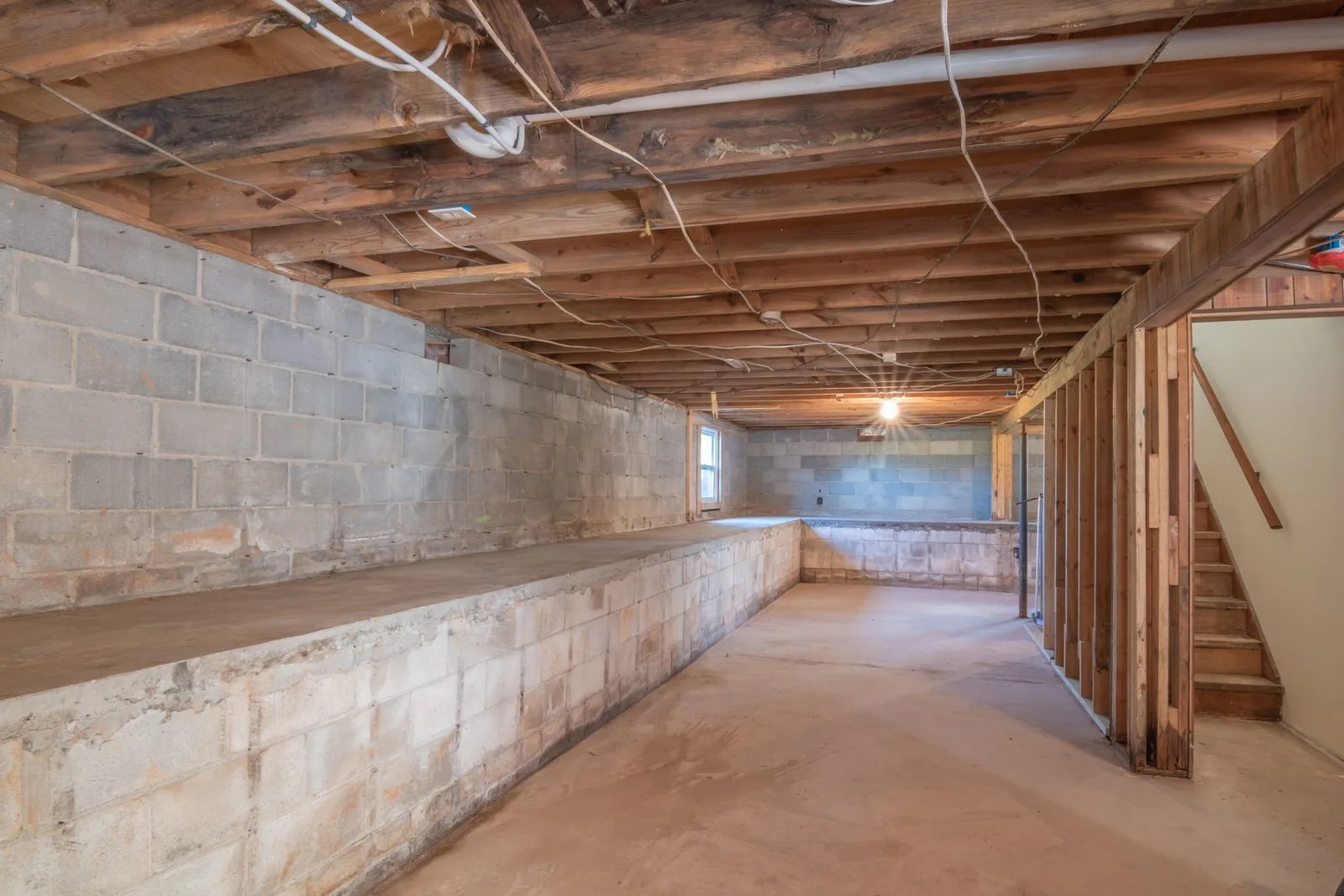
Give Your Belongings a Space That Can Actually Protect Them
An old basement can absolutely hold your boxes, furniture, and keepsakes safely, but only if the waterproofing work happens first and gets time to cure before moving day. Test for moisture, fix the exterior drainage, seal what's left, and give the space a few dry days before anything goes inside. If you're planning a move soon, start with a basement inspection now so waterproofing and packing don't end up competing for the same weekend.