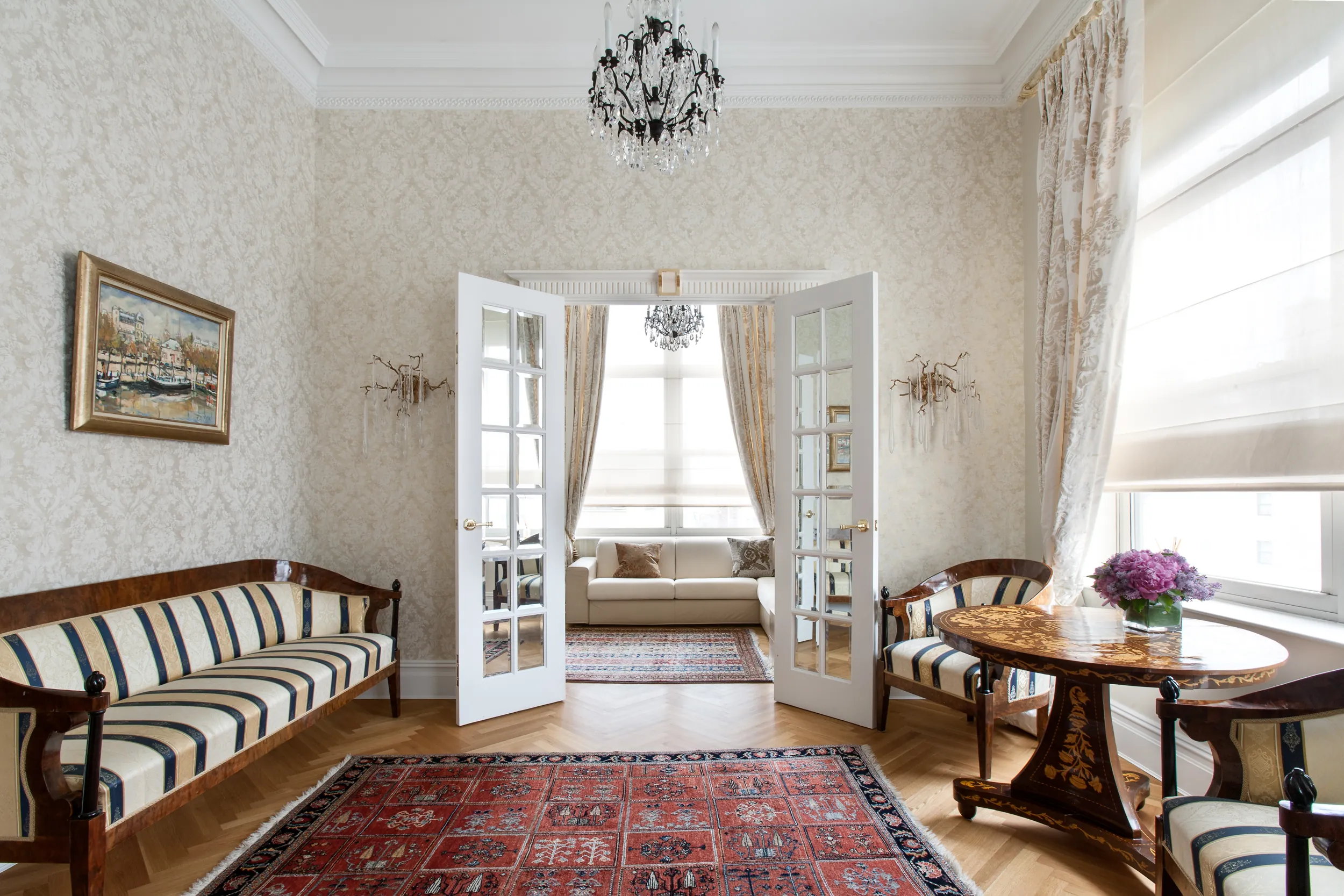
Prewar apartments are the architectural backbone of New York City. Built between roughly 1900 and 1940, they account for a large share of the housing stock on the Upper West Side, Upper East Side, Greenwich Village, Carnegie Hill, Brooklyn Heights, Park Slope, and across the prewar belt of upper Manhattan. They are also fundamentally different from postwar buildings to renovate, with a distinct set of opportunities and constraints that every NYC homeowner should understand before scoping a project. This guide covers what we have learned from three decades of renovating prewar apartments across the city.
What "Prewar" Actually Means in NYC
In NYC real estate vocabulary, "prewar" usually refers to apartment buildings constructed before World War II, with most of the genuinely desirable inventory dating from the 1910s through the 1930s. The defining qualities are well known: high ceilings (often 9 to 11 feet), thick masonry walls, generous room proportions, hardwood floors with elaborate inlays, plaster crown moldings, and details like dumbwaiters, transom windows, and original built-ins that have survived 80 to 100 years of use.
The architectural variety is significant. Beaux-Arts buildings on the Upper East Side and Riverside Drive have entirely different proportions and detailing than Art Deco towers on Central Park West or West End Avenue. Brownstones and limestone-fronted townhouses, while technically a different building type, share many of the same renovation challenges as prewar apartment buildings. Knowing the architectural style of your specific building informs every design decision, from cabinetry profiles to lighting selection.
Plaster Walls and Original Substrates
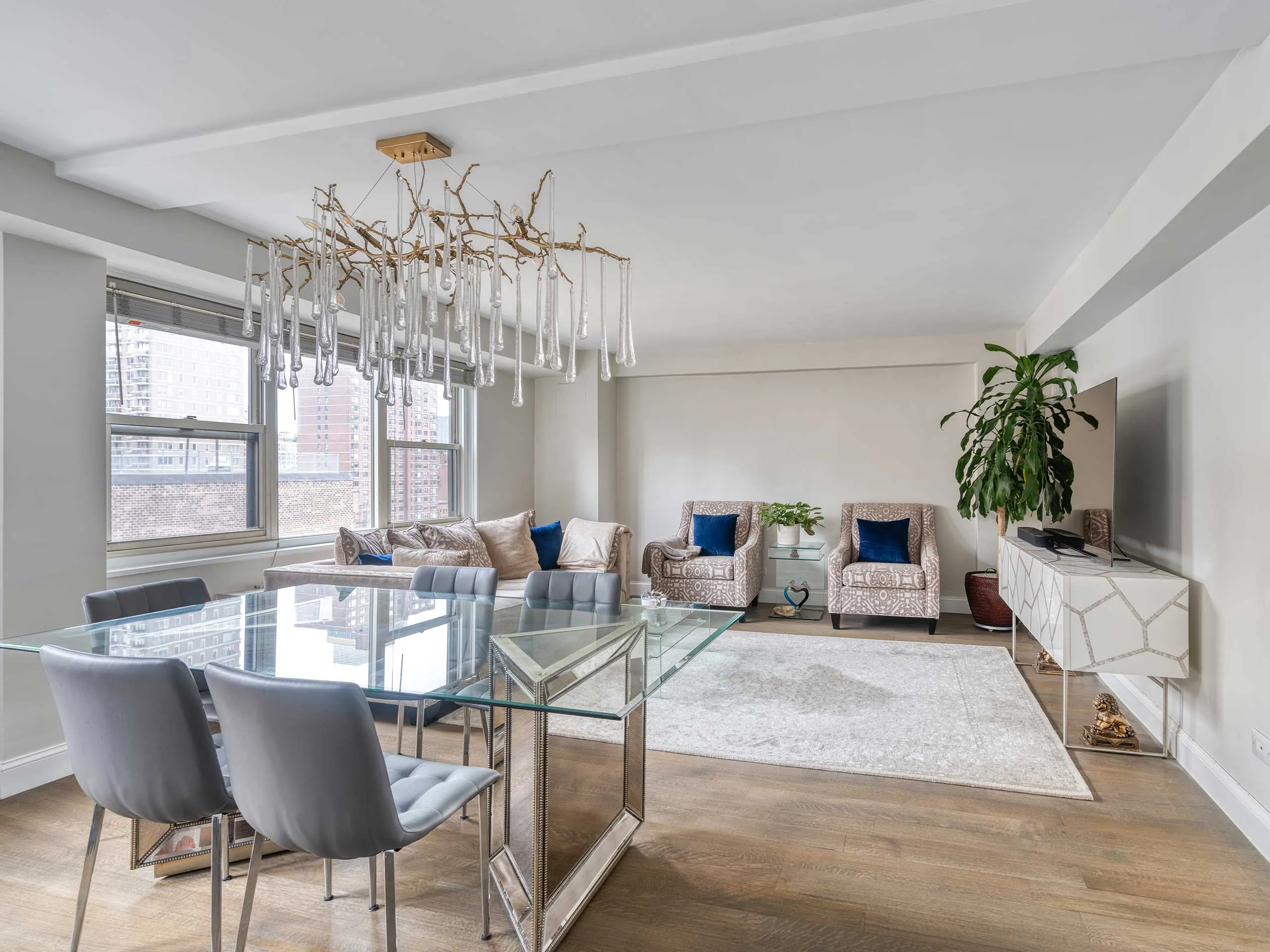
Prewar walls are almost universally plaster on metal lath, a construction system that produces the dense, slightly imperfect walls that give prewar apartments their character. Compared to modern drywall, plaster walls are heavier, more sound-insulating, and significantly harder to modify.
Hanging a heavy mirror or a cabinet on a plaster wall requires different anchoring techniques than drywall. Running new electrical or plumbing through plaster walls means surgical channels cut into the substrate, then careful patching that — if done poorly — shows as a visible scar even after painting. We use plasterers, not drywall finishers, for this kind of repair work, and we preserve as many original walls as possible rather than gutting to the studs.
The exception is bathrooms and kitchens, where waterproofing requirements and the density of new mechanical systems usually justify a full down-to-substrate rebuild. Even there, we preserve original plaster walls in adjacent rooms wherever possible.
HVAC Retrofits in Buildings Without Central Systems
Most prewar buildings were designed for steam radiators on a single-pipe or two-pipe system, with hot water provided by a central building boiler. Air conditioning, when it exists, is typically through-wall units or window units. Retrofitting modern central air or ductless mini-split systems is one of the most common and most complex elements of a prewar renovation.
The challenge is space. Prewar walls and ceilings were not designed to accommodate ductwork, and there is rarely a continuous plenum or chase running through the apartment. Solutions vary by building:
Ductless mini-splits are often the most practical option. Wall-mounted or recessed cassette indoor units can be placed in each room, with refrigerant lines run through a relatively small chase. Modern multi-zone systems can serve an entire apartment from a single outdoor condenser, often placed on a roof or in an existing through-wall sleeve.
High-velocity small-duct systems (Unico, Hi-Velocity) use 2-inch flexible ducts that can be threaded through joist bays and around obstacles. These systems preserve the look of a traditional ducted system with very small round outlets, but they require careful coordination with structural elements during the design phase.
Building-permitted condenser placement is critical. Many co-op boards strictly limit where outdoor condensers can be mounted — visible from the street is usually forbidden — and the building's electrical capacity may need to be evaluated to support new equipment. We coordinate this with building management early in the design process.
Preserving Original Details
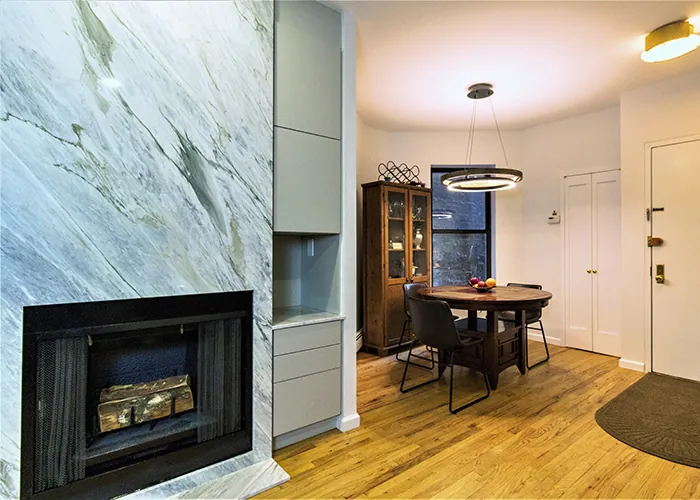
The original details in a prewar apartment — crown moldings, baseboards, ceiling medallions, herringbone or parquet floors, original doors with brass hardware — are an irreplaceable part of the value of the home. A renovation done right preserves and restores these features rather than replacing them. A renovation done poorly removes them and replaces them with off-the-shelf modern equivalents that read as cheap by comparison.
Our approach is to inventory original details before any construction begins, document their condition, and protect them throughout the project. Wood floors are sanded and refinished with low-VOC finishes rather than replaced. Plaster moldings are patched and restored, and missing sections are matched by a specialty plaster shop using castings of the original profile. Original doors are stripped of accumulated paint, the hardware is preserved or replaced with period-appropriate alternatives, and the doors are rehung properly aligned.
For details that have already been damaged or removed by previous renovations, restoration is often possible. Several NYC craftsmen specialize in casting reproduction plaster moldings, and quality reproduction door hardware in period styles is widely available. A thoughtful restoration can recover much of the original character even in apartments that have been heavily modified.
Co-Op Boards and Alteration Agreements
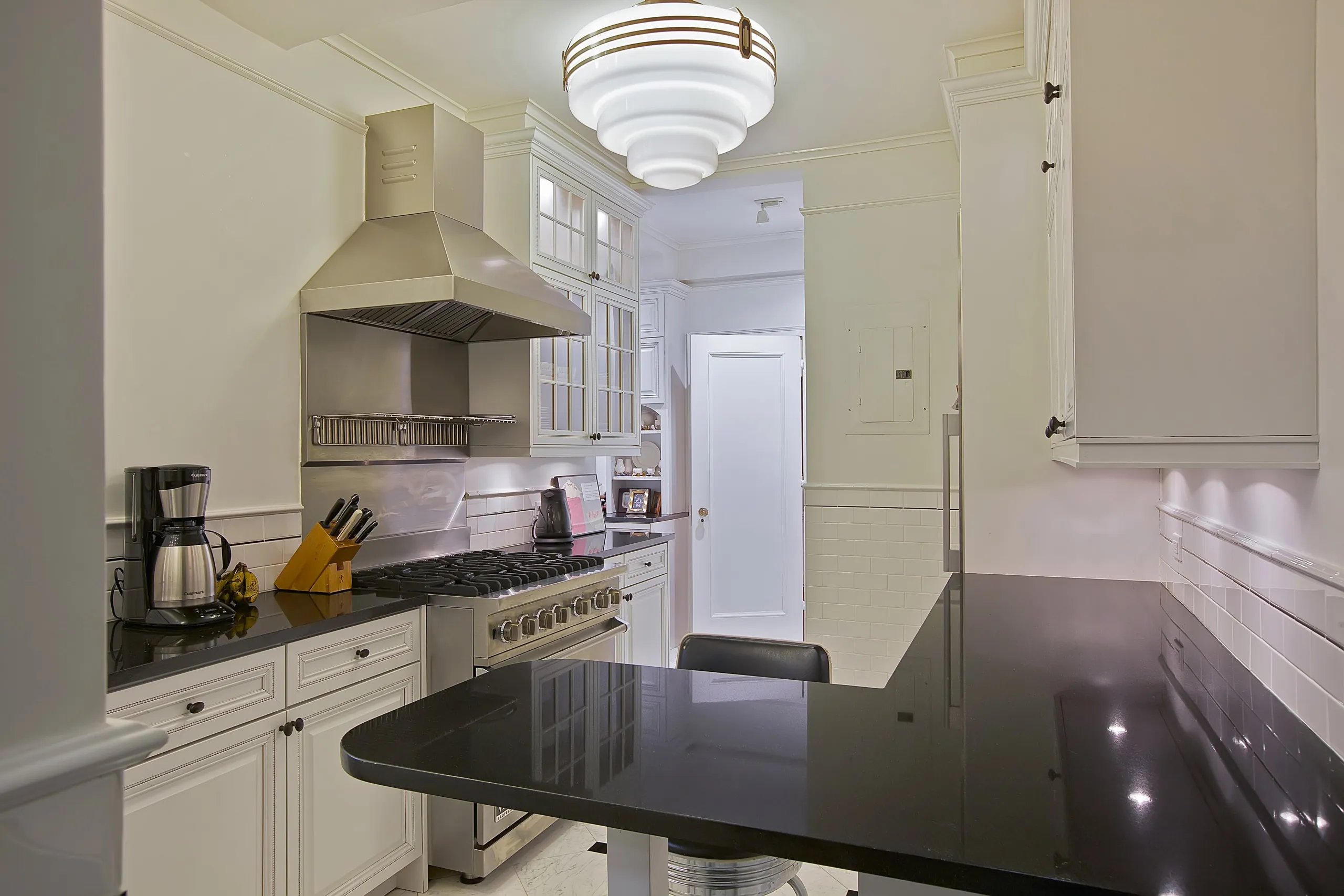
The vast majority of prewar buildings in NYC are co-ops, which means any renovation requires approval from the building's board and adherence to the building's alteration agreement. These documents are not formalities. They specify what work can be done, when, by whom, and under what conditions. They typically require:
Detailed architectural drawings stamped by a licensed New York State architect. Engineering reports for any structural modification, including removal of any wall. Proof of liability insurance from every contractor on site, with the building named as additional insured. Working hours limited to weekdays (typically 9 AM to 4 or 5 PM), with no weekend or holiday work. Use of a designated service elevator and protection of building common areas during demolition and material delivery. A security deposit, often $5,000 to $25,000, held against any damage to common areas.
Our team prepares the alteration agreement application, attends board meetings when appropriate, and manages compliance throughout the project. We also have working relationships with many of the management companies that run NYC's prewar buildings, which can meaningfully accelerate approvals and resolve issues when they arise.
Neighborhood Considerations
The prewar building stock varies in character across NYC, and each neighborhood has its own renovation patterns:
Upper West Side and Upper East Side: The largest concentration of luxury prewar inventory in the city. Buildings tend to be well-managed, with experienced boards and clear alteration processes. Building-by-building variation is significant — some boards welcome modernization, others enforce strict historic-character requirements.
Greenwich Village and the West Village: Many buildings within the Greenwich Village Historic District, which adds Landmarks Preservation Commission (LPC) oversight on top of co-op approvals for any work affecting exterior elements. Window replacements and any visible facade modifications require LPC approval.
Brooklyn Heights and Park Slope: A mix of prewar apartment buildings and brownstones, both with strong historic-district protections. Brooklyn Heights is the city's oldest historic district and has particularly demanding preservation requirements.
Carnegie Hill and the Upper East Side Historic District:Concentrated luxury prewar buildings, often with very active preservation-minded boards. Renovations here often emphasize restoration of original details rather than wholesale modernization.
Why Prewar Renovations Reward Experience
Prewar buildings are not the place to learn how to renovate in NYC. The combination of plaster construction, irregular layouts, mechanical retrofits, board approvals, and preservation requirements creates a degree of complexity that consistently surprises owners working with contractors who have not done this before. The horror stories — exposed lath that takes weeks to repair, ductwork that does not fit, board approvals that drag for six months and trigger contract penalties — almost always trace back to a project team that did not anticipate the prewar-specific issues.
At Knockout Renovation, we have been renovating prewar apartments across NYC for over 30 years. We know how the buildings are built, how the boards operate, and where the surprises hide. If you are considering a prewar renovation — whether a careful kitchen update or a full-scale gut renovation with restoration of original details — we would love to walk you through what is possible in your specific apartment and building.