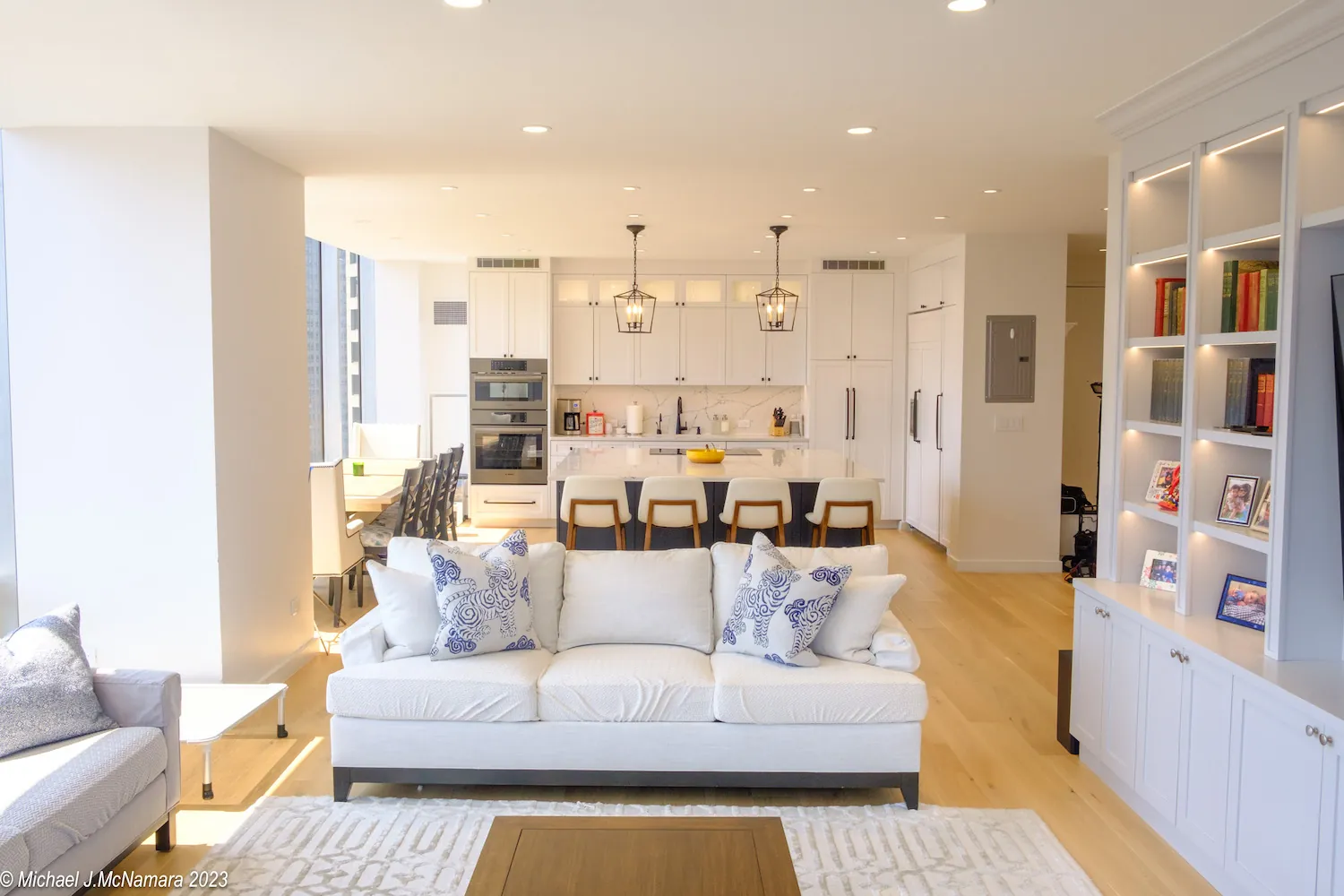
More New Yorkers than ever are choosing to stay in the homes they love rather than move to assisted living facilities. According to AARP, nearly 90 percent of adults over 65 want to remain in their current home as they age. The good news is that thoughtful renovation can make this possible, safe, and comfortable for decades to come. The key is planning modifications that improve accessibility and safety without turning your home into something that feels institutional. At Knockout Renovation, we believe that aging-in-place design should be beautiful, functional, and completely integrated into your home's aesthetic. Here is what to consider.
Grab Bars and Support Systems
Grab bars are the single most important safety modification for aging in place, and they have come a long way from the stainless-steel hospital bars of the past. Today's grab bars are available in finishes that match your bathroom hardware, from matte black and brushed gold to polished nickel. Some are designed to double as towel bars or toilet paper holders, so they blend seamlessly into the room.
Proper installation is critical. Grab bars must be anchored to wall studs or blocking, not just drywall, to support the weight of a person in motion. In older NYC apartments with plaster walls, this often requires opening the wall to install solid wood blocking, then patching and finishing the surface before the bar is mounted. We install blocking during any bathroom renovation, even if grab bars are not being installed immediately, so they can be added later without opening up finished walls.
Key locations include beside the toilet (both sides if possible), inside the shower or tub area (both horizontal and vertical), and at the bathroom entry.
Walk-In Showers and Barrier-Free Design
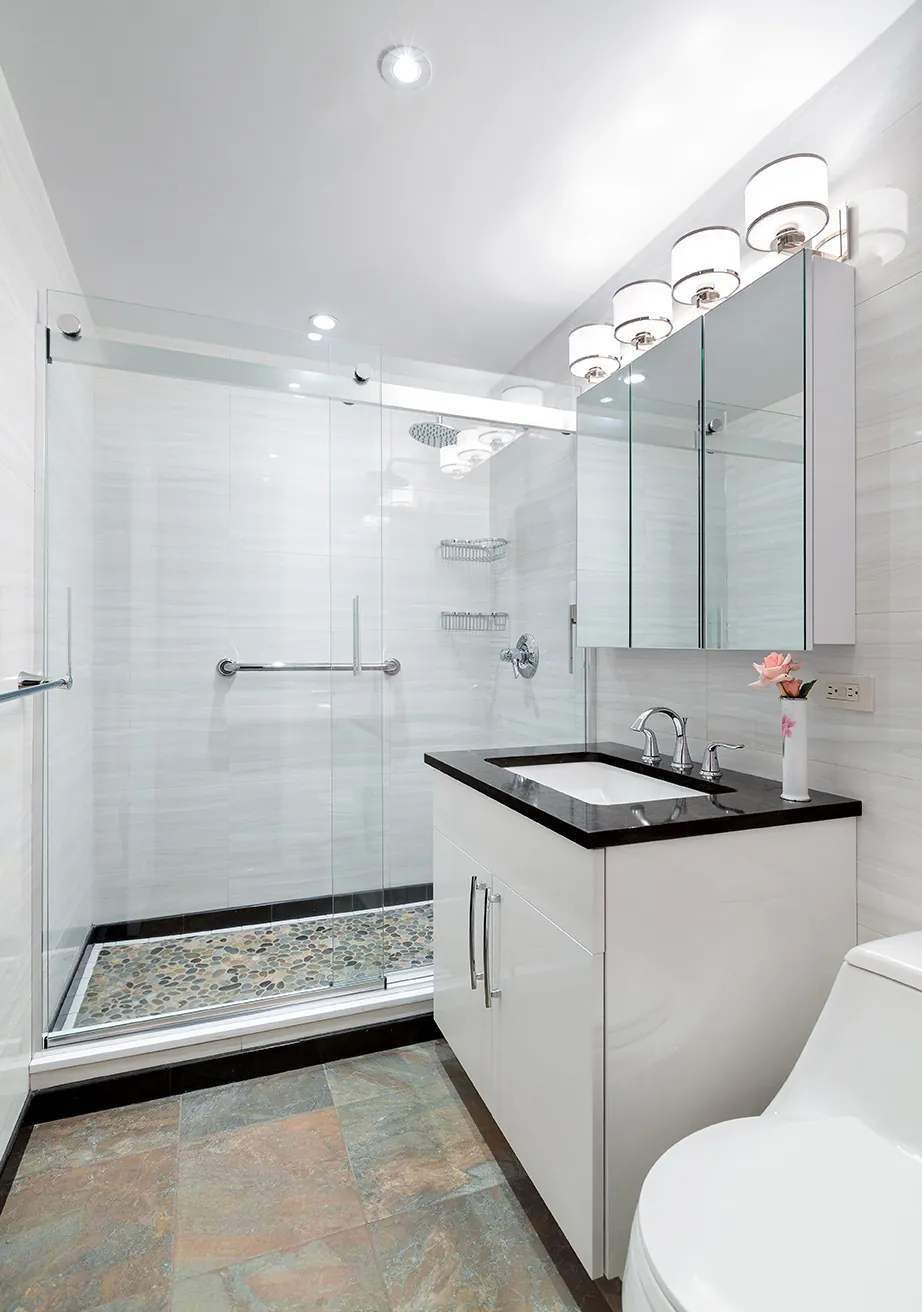
Replacing a bathtub with a curbless walk-in shower is one of the most impactful aging-in-place modifications. Tubs require stepping over a high wall, which becomes increasingly difficult and dangerous with age. A curbless shower with a linear drain provides easy, step-free access while creating a clean, modern aesthetic that appeals to homeowners of any age.
Built-in shower benches, either fold-down models or permanent tiled seats, provide a safe place to sit while bathing. Handheld shower heads on adjustable slide bars allow seated use while also functioning normally for standing showers. Non-slip tile on the shower floor is essential and can be achieved with textured porcelain that is attractive and easy to clean.
Design tip: A well-designed curbless shower with large-format tile and frameless glass reads as a luxury spa feature, not an accessibility accommodation. Many of our clients in their 40s and 50s choose this design purely for its aesthetic appeal.
Wider Doorways and Accessible Passages
Standard interior doorways in NYC apartments are typically 28 to 30 inches wide. A wheelchair requires at least 32 inches of clear opening, and 36 inches is the ADA standard for comfortable passage. Even without a wheelchair, wider doorways are easier to navigate with a walker, a cane, or simply with groceries in both hands.
Widening doorways in apartment buildings requires careful structural assessment, especially in buildings with concrete or masonry walls. Swing-clear hinges can add up to two inches of clear width to an existing doorframe without any construction, and pocket doors or barn doors eliminate the swing arc entirely, reclaiming usable floor space in tight rooms.
Lever Handles and Easy-Grip Hardware
Round doorknobs require grip strength and wrist rotation that can be painful or impossible for people with arthritis. Lever handles operate with a simple push, making them usable with a closed fist, an elbow, or even a hip when your hands are full. The same principle applies to faucets: single-lever faucets and touchless motion-sensor models are far easier to use than traditional two-handle designs.
Cabinet hardware should also be considered. D-shaped pulls are easier to grip than small knobs, and soft-close hinges on all doors and drawers prevent slammed fingers. These upgrades improve daily comfort for everyone in the household, not just older residents.
Non-Slip Flooring
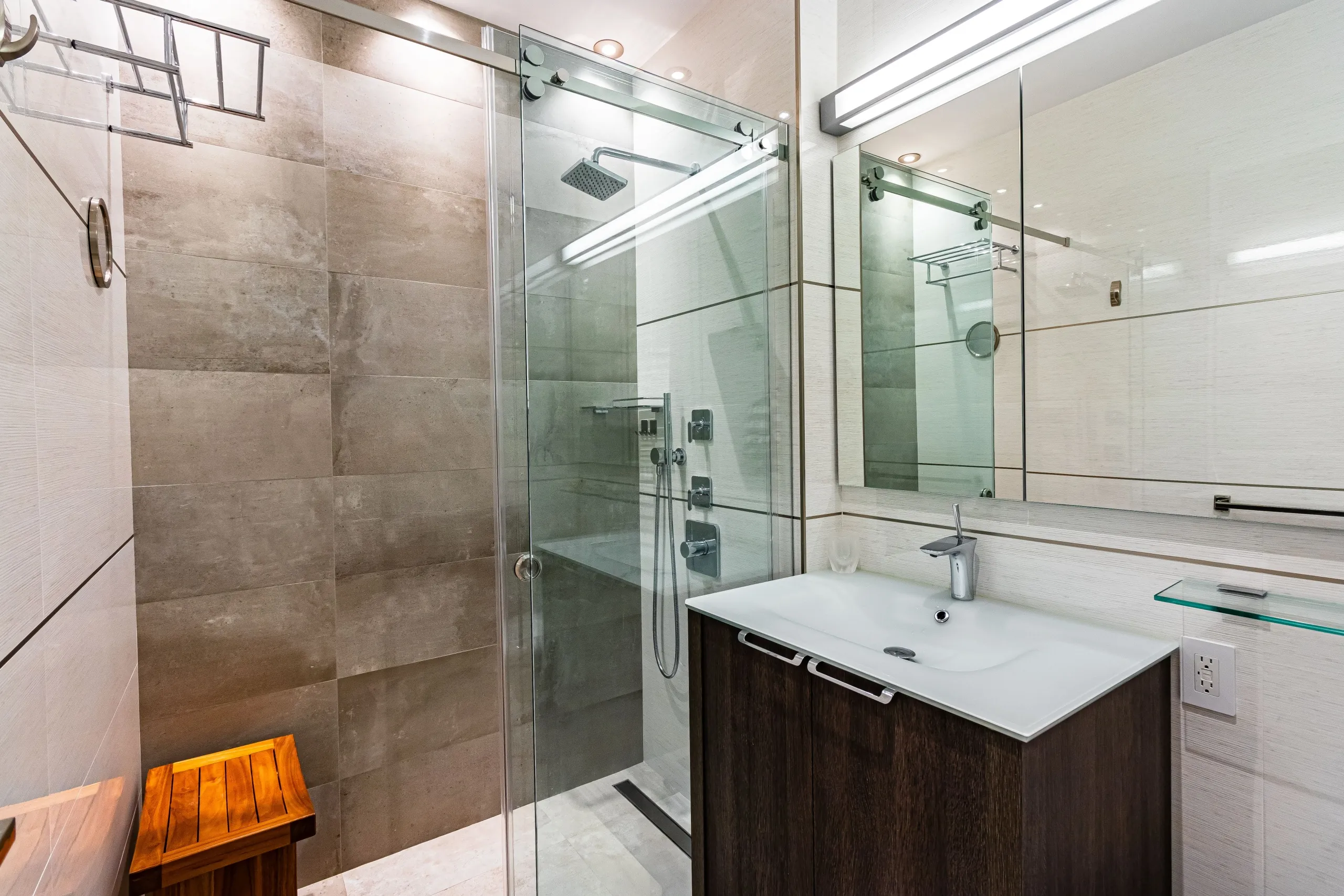
Falls are the leading cause of injury among older adults, and slippery floors are a major contributing factor. The best flooring choices for aging in place combine traction with easy maintenance:
- Matte-finish porcelain tile: Offers excellent slip resistance when rated R10 or higher. Available in designs that mimic wood, stone, and concrete.
- Luxury vinyl plank (LVP): Provides a warm, slightly cushioned surface that is naturally slip-resistant, waterproof, and comfortable underfoot. Excellent for kitchens, bathrooms, and hallways.
- Cork: Naturally slip-resistant, cushioned, and warm. Ideal for bedrooms and living areas.
Avoid high-gloss tiles, polished stone, and loose area rugs. If you love the look of hardwood, choose a matte or satin finish and ensure all transitions between flooring types are flush rather than raised.
Better Lighting
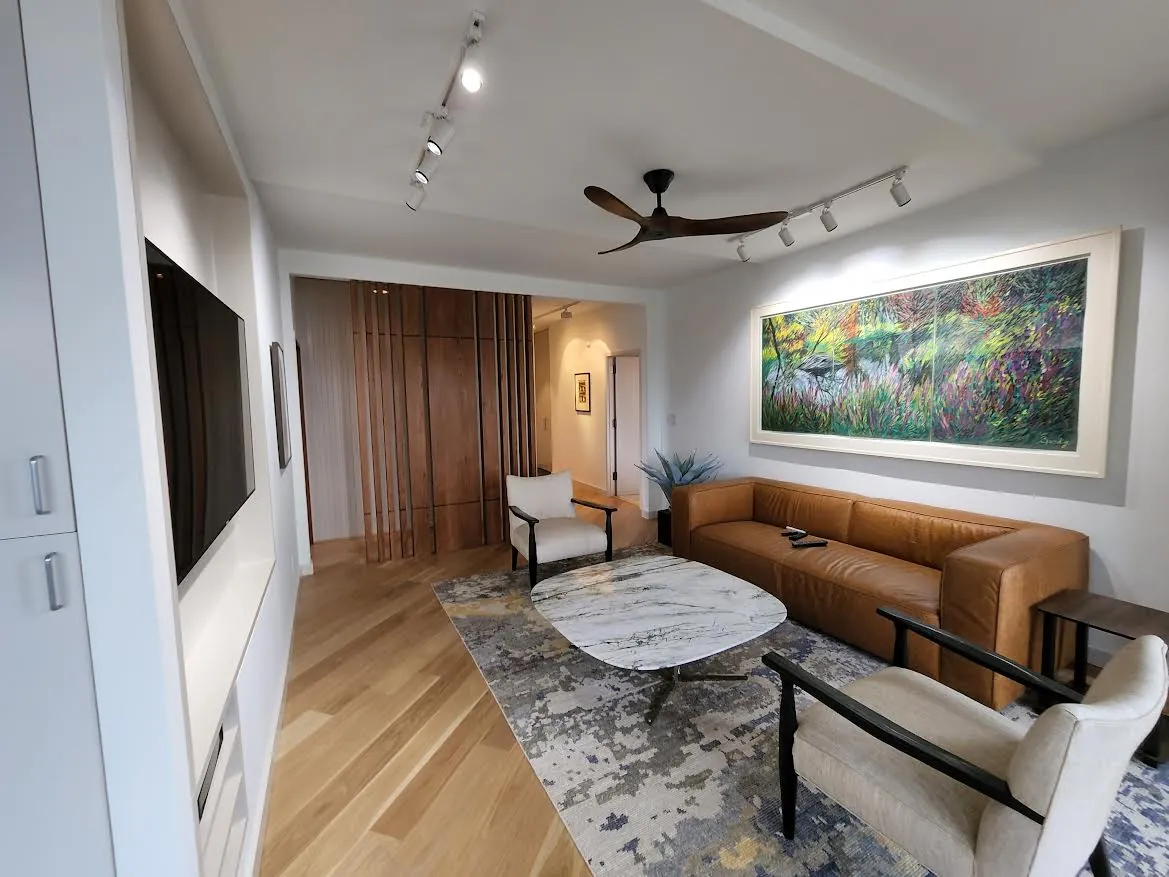
Vision changes with age, and lighting that was adequate at 40 may be insufficient at 70. Aging-in-place lighting design focuses on three principles: more light, more even distribution, and easy control.
Recessed LED lighting throughout the home provides consistent, shadow-free illumination. Under-cabinet lighting in kitchens eliminates shadows on countertops where food is prepared. Night lights or motion-activated LED strips along hallways, staircases, and bathroom paths reduce the risk of nighttime falls. Illuminated light switches are easy to find in the dark.
Smart lighting systems allow you to control every light in your home from a bedside panel, a smartphone, or by voice command, eliminating the need to walk across a dark room to reach a switch.
Smart Home Technology
Smart home systems offer tremendous benefits for aging in place. Voice assistants like Amazon Alexa and Google Home can control lights, locks, thermostats, and appliances without requiring physical interaction. Smart doorbells with video allow you to see who is at the door without getting up. Smart locks with keypad or phone entry eliminate the challenge of fumbling with keys.
Medical alert systems have also evolved beyond the pendant-style devices of the past. Smartwatches with fall detection, in-home motion sensors, and automated medication reminders can all be integrated into a renovation plan. We wire homes with the infrastructure to support these systems so they can be activated whenever they are needed.
Kitchen Accessibility
The kitchen is one of the most important rooms to modify for aging in place. Key considerations include:
- Varied counter heights: A section of countertop at 30 inches (rather than the standard 36) provides a comfortable work surface for seated users.
- Pull-out shelves and drawers: Replace fixed shelves in base cabinets with pull-out trays that bring contents to you rather than requiring bending and reaching.
- Wall ovens at accessible height: A wall oven installed at counter height eliminates the bending required by a traditional range oven.
- Side-opening oven doors: Some models open to the side like a standard door, making it easier to access the oven cavity without reaching over a hot drop-down door.
- Touch-activated faucets: Turn on and off with a simple tap, reducing the grip strength required.
Style Without Compromise
The most common concern we hear from clients considering aging-in-place modifications is that their home will look like a medical facility. That concern is entirely valid, and entirely addressable. Every modification we have described can be executed with materials, finishes, and design details that are indistinguishable from a high-end renovation. A curbless shower with rainfall head and teak bench reads as luxury. A lever-handle faucet in brushed brass reads as stylish. Wider doorways with clean trim reads as architectural.
At Knockout Renovation, we specialize in creating homes that are beautiful, functional, and ready for every stage of life. Whether you are renovating now with aging-in-place features in mind or planning ahead by installing the infrastructure for future modifications, we can help you make your home work for you for as long as you want to live in it.